
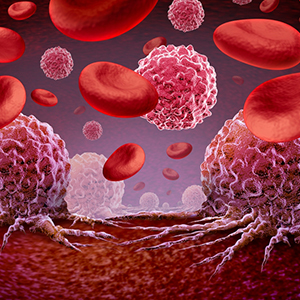
Blood cancers, also known as hematologic malignancies, originate in the bone marrow, blood, or lymphatic system—structures essential to immunity and oxygen transport. Unlike solid tumors, these cancers disrupt the production and function of blood cells, leading to systemic manifestations that affect multiple organs. The complexity and diversity of blood cancers demand highly specialized diagnostics, individualized treatment strategies, and continuous, expert-led care.
CLASSIFICATION AND DISEASE SPECTRUM
Blood cancers encompass a wide range of disorders, each defined by the cell lineage involved and the pace of disease progression. Accurate classification is fundamental, as treatment and prognosis vary significantly among subtypes.
Major categories of blood cancers include:
- Leukemias: Malignancies of white blood cells, often presenting with bone marrow failure and circulating cancer cells
- Lymphomas: Cancers of the lymphatic system involving lymph nodes and extranodal tissues
- Multiple Myeloma: A plasma cell disorder affecting bone marrow and skeletal integrity
- Myeloproliferative and Myelodysplastic Syndromes: Disorders characterized by abnormal blood cell production
Each category contains multiple subtypes with distinct molecular and clinical profiles.
RISK FACTORS AND DISEASE ETIOLOGY
The development of blood cancers is influenced by genetic abnormalities, environmental exposures, immune dysfunction, and prior medical treatments. In many cases, the exact cause remains unknown, reinforcing the need for expert evaluation and vigilance.
Recognized risk factors include:
- Inherited or acquired genetic mutations
- Prior chemotherapy or radiation exposure
- Chronic immune suppression or autoimmune disease
- Occupational exposure to chemicals or radiation
- Advancing age, though some blood cancers affect younger individuals
Understanding these factors supports early recognition and informed clinical management.
EARLY DETECTION AND DIAGNOSTIC EXCELLENCE
Blood cancers often present with nonspecific symptoms, making early diagnosis both challenging and critical. Prompt evaluation enables timely intervention and improved outcomes.
Diagnostic evaluation typically involves:
- Detailed clinical assessment and comprehensive blood tests
- Bone marrow aspiration and biopsy
- Flow cytometry and immunophenotyping
- Cytogenetic and molecular genetic analysis
- Advanced imaging such as CT or PET-CT when indicated
These investigations allow precise classification, risk stratification, and treatment planning aligned with international standards.
PERSONALIZED TREATMENT STRATEGIES
Treatment of blood cancers has evolved rapidly, driven by advances in molecular biology and immunotherapy. Therapeutic decisions are individualized based on disease subtype, genetic features, patient age, comorbidities, and treatment intent.
Treatment modalities may include:
- Chemotherapy: Conventional or dose-intensified regimens
- Targeted therapy: Drugs designed to inhibit specific molecular pathways
- Immunotherapy: Monoclonal antibodies and immune-modulating agents
- Stem cell transplantation: Autologous or allogeneic options for selected patients
- Supportive transfusion therapy: Management of anemia and thrombocytopenia
This precision-based approach optimizes disease control while minimizing unnecessary toxicity.
MULTIDISCIPLINARY EXPERTISE AND COORDINATED CARE
Effective blood cancer management requires seamless collaboration among hematologists, medical oncologists, pathologists, transfusion specialists, infectious disease experts, and supportive care teams. Under the clinical guidance of experienced oncologists such as Dr. Priyadarshini, patients receive evidence-based care rooted in scientific rigor, transparent communication, and individualized decision-making. This coordinated framework ensures continuity of care across diagnosis, treatment, and follow-up.
SUPPORTIVE CARE AND SYMPTOM MANAGEMENT
Supportive care is a cornerstone of blood cancer treatment, addressing both disease-related complications and therapy-associated side effects.
Comprehensive supportive services include:
- Infection prevention and management
- Control of fatigue, pain, and treatment-related toxicity
- Nutritional counseling and physical rehabilitation
- Psychological support for patients and families
- Palliative care focused on comfort and dignity when appropriate
This holistic model safeguards patient well-being throughout the treatment journey.
SURVIVORSHIP AND LONG-TERM FOLLOW-UP
Many patients with blood cancers achieve long-term remission or cure. Survivorship care emphasizes structured follow-up, monitoring for relapse, and management of late effects such as secondary malignancies or organ dysfunction. Lifestyle guidance, vaccination planning, and psychosocial support empower survivors to transition confidently into life beyond active treatment.
COMMITMENT TO INNOVATION AND ETHICAL EXCELLENCE
Excellence in blood cancer services is defined by continuous engagement with clinical research, adoption of emerging therapies, and adherence to global best practices. Advances in cellular therapies, precision diagnostics, and immune-based treatments continue to expand therapeutic horizons. Ethical care, patient education, and shared decision-making remain integral to every clinical interaction.
CONCLUSION
Blood cancers present complex clinical challenges that require expert diagnosis, personalized therapy, and comprehensive support. Through precision medicine, multidisciplinary collaboration, and a steadfast commitment to patient-centered care, modern blood cancer services strive to deliver not only improved survival but also sustained quality of life, resilience, and hope.