
Lymphomas are a diverse group of blood cancers that originate in the lymphatic system, a critical component of the body’s immune defense. They arise from malignant transformation of lymphocytes—either B cells, T cells, or natural killer (NK) cells—and can involve lymph nodes, bone marrow, spleen, and extranodal organs. Unlike many solid tumors, lymphomas often present with systemic manifestations, requiring a comprehensive and highly specialized diagnostic and therapeutic approach.
CLASSIFICATION AND DISEASE SPECTRUM
Lymphomas are broadly categorized based on their biological behavior, cellular origin, and clinical course. Accurate classification is essential, as it directly determines prognosis and treatment strategy.
The two principal categories include:
- Hodgkin Lymphoma (HL): Characterized by the presence of Reed–Sternberg cells and generally associated with high cure rates when treated appropriately
- Non-Hodgkin Lymphoma (NHL): A heterogeneous group ranging from indolent, slow-growing forms to highly aggressive subtypes
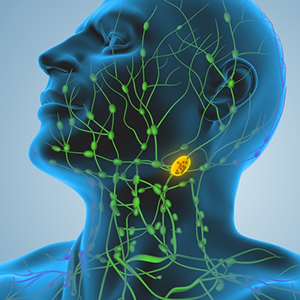
Within these categories exist numerous subtypes, each with distinct molecular drivers and therapeutic sensitivities, underscoring the importance of expert evaluation.
RISK FACTORS AND DISEASE ETIOLOGY
The development of lymphoma is influenced by a complex interplay of immune dysregulation, genetic factors, infections, and environmental exposures.
Recognized risk factors include:
- Compromised immune function or autoimmune disorders
- Chronic infections such as Epstein–Barr virus (EBV) or Helicobacter pylori
- Prior exposure to chemotherapy or radiation therapy
- Certain occupational and environmental exposures
- Advancing age, though some subtypes affect younger populations
Understanding these factors aids in early recognition and informed clinical decision-making.
EARLY DETECTION AND DIAGNOSTIC EXCELLENCE
Lymphomas often present with painless lymph node enlargement, unexplained fever, night sweats, weight loss, or persistent fatigue. Early evaluation is vital to prevent disease progression and complications.
Diagnostic evaluation typically involves:
- Comprehensive clinical assessment and laboratory investigations
- Imaging studies such as CT, PET-CT, or MRI for staging
- Excisional or core lymph node biopsy for definitive diagnosis
- Immunohistochemistry, flow cytometry, and cytogenetic analysis
- Molecular profiling to identify prognostic and predictive markers
This multilayered diagnostic process ensures precision in classification and treatment planning.
PERSONALIZED TREATMENT STRATEGIES
Lymphoma treatment has evolved dramatically with advances in immunology and molecular medicine. Therapy is tailored based on lymphoma subtype, disease stage, patient age, comorbidities, and treatment goals.
Treatment modalities may include:
- Chemotherapy: Backbone therapy for many lymphoma subtypes
- Immunotherapy: Monoclonal antibodies and immune-modulating agents
- Targeted therapy: Agents directed at specific molecular pathways
- Radiation therapy: Selected use for localized disease or symptom control
- Stem cell transplantation: For relapsed or high-risk cases
This individualized approach maximizes therapeutic efficacy while minimizing unnecessary toxicity.
MULTIDISCIPLINARY EXPERTISE AND INTEGRATED CARE
Optimal lymphoma management requires seamless collaboration among hematologists, medical oncologists, pathologists, radiologists, radiation oncologists, and supportive care specialists. Under the clinical guidance of experienced oncologists such as Dr. Priyadarshini, patients benefit from evidence-based treatment protocols, nuanced clinical judgment, and a patient-centered philosophy that emphasizes clarity and trust.
SUPPORTIVE CARE AND SYMPTOM MANAGEMENT
Supportive care is integral to successful lymphoma treatment, addressing both disease-related symptoms and therapy-associated effects.
Comprehensive supportive services include:
- Management of infections and immune suppression
- Control of fatigue, anemia, and treatment-related side effects
- Nutritional counseling and physical rehabilitation
- Psychological support for patients and families
- Palliative care focused on comfort and dignity when appropriate
This holistic framework ensures continuity of care throughout the disease trajectory.
SURVIVORSHIP AND LONG-TERM FOLLOW-UP
Many patients with lymphoma achieve long-term remission or cure. Survivorship care focuses on structured follow-up, early detection of relapse, and management of late effects such as secondary malignancies or cardiovascular complications. Lifestyle counselling, vaccination guidance, and psychosocial support empower survivors to transition confidently into life beyond treatment.
COMMITMENT TO INNOVATION AND CLINICAL EXCELLENCE
Excellence in lymphoma services is defined by ongoing engagement with clinical research, adoption of emerging therapies, and adherence to international standards of care. Rapid advances in cellular therapies, immune-based treatments, and molecular diagnostics continue to expand therapeutic possibilities. Ethical practice, transparency, and shared decision-making remain foundational to delivering care that is both scientifically advanced and deeply humane.
CONCLUSION
Lymphomas represent a complex and varied group of malignancies that demand expert diagnosis, personalized therapy, and comprehensive support. Through precision medicine, multidisciplinary collaboration, and a steadfast commitment to patient-centered care, modern lymphoma services offer not only improved survival but also the promise of sustained quality of life, resilience, and hope.