
Gynecological cancers comprise a group of malignancies that originate within the female reproductive system. These cancers affect organs that are central to a woman’s health, identity, and quality of life, making early diagnosis and expert management critically important. Gynecological oncology has advanced significantly, with modern care focusing on precision diagnostics, individualized treatment strategies, and holistic support that addresses both physical and emotional well-being.
TYPES AND CLINICAL SPECTRUM
Each gynecological cancer presents with unique biological characteristics, patterns of spread, and therapeutic considerations. Accurate identification of the cancer type is the foundation of effective treatment.
Major gynecological cancers include:
- Ovarian cancer
- Cervical cancer
- Endometrial (uterine) cancer
- Vulvar cancer
- Vaginal cancer
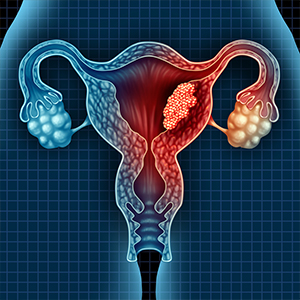
While some cancers, such as cervical cancer, are often detected early through screening, others like ovarian cancer may remain silent until advanced stages, underscoring the need for heightened awareness and specialized expertise.
RISK FACTORS AND PREVENTIVE CARE
The development of gynecological cancers is influenced by a combination of genetic, hormonal, infectious, and lifestyle-related factors. Understanding risk profiles enables proactive prevention and early intervention.
Key risk factors include:
- Persistent human papillomavirus (HPV) infection
- Genetic mutations and family history of gynecologic or breast cancers
- Hormonal imbalances and prolonged estrogen exposure
- Obesity and metabolic disorders
- Advancing age
Preventive strategies emphasize HPV vaccination, routine gynecological examinations, Pap smears, and prompt evaluation of abnormal symptoms. Risk-reducing counseling and surveillance may be recommended for women with hereditary predisposition.
EARLY DETECTION AND ADVANCED DIAGNOSTICS
Early detection remains a decisive factor in improving survival outcomes in gynecological cancers. Modern diagnostic pathways integrate clinical assessment with advanced imaging and pathology.
Diagnostic approaches may include:
- Pelvic examinations and cytological screening
- Ultrasound, CT, MRI, and PET-CT imaging
- Colposcopy and hysteroscopy
- Image-guided biopsies and surgical staging
- Molecular and genetic tumor profiling
These investigations allow clinicians to determine cancer stage, biological behavior, and potential responsiveness to targeted therapies.
PERSONALIZED TREATMENT STRATEGIES
Treatment of gynecological cancers is highly individualized, guided by tumor type, disease stage, molecular characteristics, and patient preferences. Therapeutic planning aims to achieve optimal cancer control while preserving function and quality of life.
Treatment modalities may involve:
- Surgical management: Fertility-sparing procedures or radical oncologic surgery
- Medical oncology: Chemotherapy, hormonal therapy, targeted agents, and immunotherapy
- Radiation therapy: Precision techniques to maximize tumor control and minimize toxicity
The integration of multimodal therapy is often essential, particularly in advanced or high-risk disease.
MULTIDISCIPLINARY EXPERTISE AND COORDINATED CARE
Gynecological cancer care is most effective when delivered through a multidisciplinary model. Gynecologic oncologists, medical oncologists, radiation specialists, radiologists, pathologists, genetic counselors, and supportive care teams collaborate to ensure seamless and evidence-based treatment. Under the clinical guidance of experienced specialists such as Dr. Priyadarshini, patients benefit from globally aligned protocols, individualized decision-making, and compassionate communication throughout their care journey.
SUPPORTIVE CARE AND SYMPTOM MANAGEMENT
Beyond disease-directed treatment, comprehensive supportive care is essential in gynecological oncology. Treatment-related side effects and emotional distress require proactive and sensitive management.
Supportive services include:
- Pain and symptom control
- Nutritional counseling and physical rehabilitation
- Psychological support and survivorship counseling
- Sexual health and fertility guidance when appropriate
- Palliative care focused on comfort and dignity
This holistic approach ensures continuity of care across all phases of treatment.
SURVIVORSHIP AND LONG-TERM FOLLOW-UP
For women who achieve remission or long-term disease control, survivorship care focuses on monitoring, rehabilitation, and prevention of recurrence. Structured follow-up protocols address late treatment effects, hormonal health, bone strength, and emotional recovery. Empowering patients with education and lifestyle guidance plays a vital role in restoring confidence and long-term well-being.
COMMITMENT TO EXCELLENCE AND INNOVATION
Excellence in gynecological cancer services is defined by ongoing clinical research, adoption of emerging therapies, and adherence to international best practices. Advances in minimally invasive surgery, molecular oncology, and immunotherapy continue to improve outcomes. Ethical care, transparency, and patient-centered values remain integral to every clinical decision.
CONCLUSION
Gynecological cancers present complex medical and emotional challenges, yet modern oncology offers powerful tools for early detection, precise treatment, and comprehensive support. Through personalized therapy, multidisciplinary collaboration, and a steadfast commitment to women’s health, contemporary gynecological cancer care strives to deliver not only improved survival but also dignity, strength, and quality of life at every stage.