
THE ROLE OF VACCINATIONS IN CANCER PREVENTION
Cancer vaccinations represent a transformative advancement in preventive oncology, leveraging the body’s immune system to reduce the risk of specific cancers before they develop. Unlike therapeutic cancer treatments, preventive cancer vaccines are designed to block infections or biological pathways known to initiate malignant transformation. By intervening early—often years before cancer could arise—vaccinations significantly reduce disease burden at both individual and population levels.
UNDERSTANDING CANCER VACCINATIONS
Cancer vaccinations primarily target oncogenic viruses—pathogens that increase cancer risk through chronic infection and cellular damage. These vaccines do not treat existing cancer; rather, they prevent infections that can later lead to malignancy. In parallel, research continues into therapeutic cancer vaccines aimed at enhancing immune recognition of established tumors, reflecting a rapidly evolving field at the intersection of immunology and oncology.
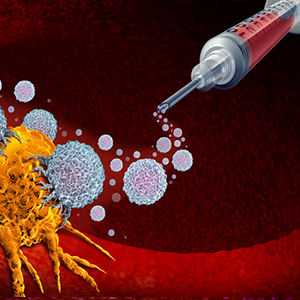
CANCERS PREVENTABLE THROUGH VACCINATION
Robust scientific evidence supports vaccination as an effective strategy against certain virus-associated cancers. Widespread immunization has already demonstrated measurable reductions in precancerous lesions and cancer incidence.
Key cancer-preventive vaccines include:
- Human Papillomavirus (HPV) vaccine: Prevents cervical, anal, oropharyngeal, vulvar, vaginal, and penile cancers
- Hepatitis B vaccine: Reduces the risk of hepatocellular carcinoma by preventing chronic hepatitis B infection
These vaccines are most effective when administered prior to exposure, underscoring the importance of timely immunization.
ELIGIBILITY, TIMING, AND RISK-BASED RECOMMENDATIONS
Cancer vaccination strategies are guided by age, sex, immune status, and individual risk factors. Early vaccination maximizes immune response and long-term protection.
General recommendations may include:
- HPV vaccination for adolescents and young adults, with catch-up options based on age and risk
- Hepatitis B vaccination for infants, unvaccinated adults, and high-risk populations
- Vaccination considerations for immunocompromised individuals under specialist guidance
Personalized counseling ensures that vaccination decisions align with medical history and evidence-based guidelines.
SAFETY, EFFICACY, AND SCIENTIFIC EVIDENCE
Cancer vaccines undergo rigorous clinical testing to establish safety and long-term efficacy. Extensive global data confirm that approved cancer-preventive vaccines are both safe and highly effective in reducing infection rates and subsequent cancer risk.
Key attributes of cancer vaccines include:
- Strong immunogenicity with durable protection
- Excellent safety profiles across age groups
- Minimal adverse effects, typically mild and self-limited
- Significant reduction in cancer incidence at the population level
Ongoing surveillance and research continue to refine recommendations and expand protective benefits.
MULTIDISCIPLINARY OVERSIGHT AND CLINICAL EXPERTISE
Effective cancer vaccination programs require expert oversight to ensure appropriate patient selection, timing, and follow-up. Under the guidance of experienced oncology specialists such as Dr. Priyadarshini, vaccination services are integrated into comprehensive cancer prevention strategies. This approach ensures emphasizing scientific rigor, individualized counseling, and alignment with international public health standards.
COUNSELING, EDUCATION, AND INFORMED CONSENT
Education is a cornerstone of successful vaccination programs. Patients and families benefit from clear, evidence-based information regarding benefits, limitations, and common misconceptions surrounding cancer vaccines. Counseling addresses concerns related to safety, fertility, long-term effects, and social stigma, enabling informed and confident decision-making.
INTEGRATION WITH BROADER CANCER PREVENTION STRATEGIES
Cancer vaccinations are most effective when embedded within a holistic prevention framework that includes lifestyle modification, screening, and risk assessment.
Comprehensive prevention strategies may include:
- Routine cancer screening and surveillance
- Tobacco and alcohol risk reduction
- Nutritional guidance and physical activity promotion
- Management of chronic infections and inflammatory conditions
This integrated approach amplifies the protective impact of vaccination while promoting overall health.
FOLLOW-UP AND LONG-TERM PROTECTION
Vaccination does not conclude preventive care. Long-term follow-up ensures completion of recommended vaccine schedules, monitoring for rare adverse events, and reinforcement of continued screening where appropriate. For example, individuals vaccinated against HPV still require routine cervical screening, as vaccines do not cover all oncogenic strains.
COMMITMENT TO PREVENTIVE ONCOLOGY EXCELLENCE
Excellence in cancer vaccination services is defined by adherence to evolving scientific evidence, ethical practice, and patient-centered care. Advances in immunology continue to expand the scope of cancer prevention, with novel vaccines and immune-based strategies under active investigation. Transparency, education, and equitable access remain essential pillars of effective implementation.
CONCLUSION
Cancer vaccinations represent a powerful, proactive approach to reducing cancer risk through immune protection. By preventing oncogenic infections before malignant transformation occurs, these vaccines save lives, reduce healthcare burden, and strengthen public health outcomes. Through personalized counseling, expert oversight, and integration into comprehensive prevention programs, cancer vaccination services empower individuals to safeguard their future health with confidence and foresight.