
THE IMPORTANCE OF CANCER SCREENING
Cancer screening represents one of the most powerful tools in modern medicine for reducing cancer-related mortality. By identifying disease at its earliest, often asymptomatic stages, screening enables timely intervention when treatment is most effective and least invasive. Rather than waiting for symptoms to appear, cancer screening adopts a preventive, forward-looking approach that prioritizes early detection, risk reduction, and long-term well-being.
WHAT IS CANCER SCREENING?
Cancer screening refers to a structured set of medical tests and evaluations performed in individuals who do not show signs of cancer but may be at risk due to age, genetics, lifestyle, or environmental factors. These tests aim to detect precancerous changes or early-stage malignancies before they progress to advanced disease. Screening is not a one-size-fits-all process; it must be individualized based on personal risk profiles and evidence-based guidelines.
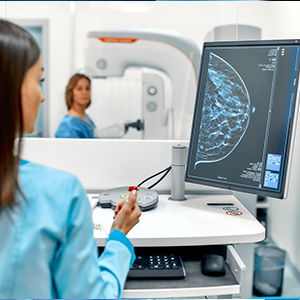
CANCERS COMMONLY DETECTED THROUGH SCREENING
Several cancers have well-established screening protocols that significantly improve survival outcomes when implemented appropriately.
Common cancers with effective screening strategies include:
- Breast cancer (mammography and imaging-based screening)
- Cervical cancer (Pap smear and HPV testing)
- Colorectal cancer (stool-based tests and colonoscopy)
- Prostate cancer (risk-adapted PSA testing)
- Lung cancer (low-dose CT for high-risk individuals)
- Oral cancers (clinical examination in high-risk populations)
When applied systematically, these screening measures can reduce cancer-related deaths and improve quality of life.
RISK ASSESSMENT AND PERSONALIZED SCREENING PLANS
Effective cancer screening begins with comprehensive risk assessment. Factors such as age, family history, genetic predisposition, lifestyle habits, occupational exposures, and prior medical conditions influence screening recommendations.
Personalized screening plans may consider:
- Individual and family cancer history
- Genetic risk factors and inherited syndromes
- Tobacco and alcohol exposure
- Hormonal and reproductive history
- Pre-existing chronic conditions
This risk-adapted approach ensures that screening is both clinically meaningful and ethically responsible, avoiding unnecessary testing while maximizing early detection.
ADVANCED SCREENING TECHNOLOGIES AND DIAGNOSTICS
Advances in medical technology have enhanced the accuracy, safety, and accessibility of cancer screening. Modern screening programs integrate high-resolution imaging, molecular diagnostics, and minimally invasive testing to detect disease with precision.
Advanced screening tools include:
- Digital mammography and tomosynthesis
- High-sensitivity HPV testing
- Low-dose CT scans for lung cancer
- Colonoscopy and advanced endoscopic techniques
- Blood-based biomarkers and emerging liquid biopsy platforms
These innovations allow clinicians to detect cancer earlier while minimizing patient discomfort and procedural risk.
MULTIDISCIPLINARY OVERSIGHT AND CLINICAL EXPERTISE
Cancer screening is most effective when guided by experienced clinicians who understand both oncology and preventive medicine. Interpreting screening results requires nuanced clinical judgment to distinguish between benign findings, precancerous changes, and malignancy. Under the clinical guidance of specialists such as Dr. Priyadarshini, screening programs are aligned with international guidelines and tailored to individual patient needs, ensuring clarity, accuracy, and continuity of care.
BENEFITS OF TIMELY CANCER SCREENING
The advantages of structured cancer screening extend far beyond early diagnosis. Screening plays a pivotal role in reducing treatment burden and improving survival outcomes.
Key benefits include:
- Detection of cancer at an early, highly treatable stage
- Identification and management of precancerous conditions
- Reduced need for aggressive or extensive treatment
- Improved survival rates and long-term outcomes
- Enhanced patient awareness and health empowerment
By shifting focus from treatment to prevention, screening transforms cancer care into a proactive health strategy.
COUNSELING, EDUCATION, AND INFORMED DECISION-MAKING
An essential component of cancer screening is patient education. Individuals must understand the purpose, benefits, limitations, and potential outcomes of screening tests. Pre- and post-screening counseling supports informed decision-making and reduces anxiety related to test results. Clear communication fosters trust and enables patients to actively participate in their long-term health planning.
FOLLOW-UP, SURVEILLANCE, AND CONTINUITY OF CARE
Screening does not end with a test result. Abnormal findings require timely follow-up, confirmatory diagnostics, and, when necessary, early treatment. Structured surveillance programs ensure ongoing monitoring for individuals at increased risk or with prior abnormal results. This continuity of care is critical for sustaining the long-term benefits of screening.
COMMITMENT TO PREVENTIVE ONCOLOGY EXCELLENCE
Excellence in cancer screening services is defined by adherence to evidence-based guidelines, use of advanced diagnostic tools, ethical clinical practice, and patient-centered care. Continuous evaluation of emerging research ensures that screening strategies evolve alongside scientific progress, maintaining relevance and effectiveness.
CONCLUSION
Cancer screening is a cornerstone of preventive healthcare, offering the opportunity to detect disease early, intervene decisively, and save lives. Through personalized risk assessment, advanced diagnostics, expert clinical oversight, and comprehensive follow-up, modern cancer screening services empower individuals to take control of their health with confidence, clarity, and foresight.