
UNDERSTANDING GASTROINTESTINAL (GI) CANCERS
Gastrointestinal (GI) cancers encompass a diverse group of malignancies arising within the digestive system, including the esophagus, stomach, liver, pancreas, small intestine, colon, rectum, and biliary tract. Each GI cancer subtype differs in biological behavior, clinical presentation, and therapeutic response. Due to their often subtle early symptoms, GI cancers are frequently diagnosed at advanced stages, making specialized, timely, and multidisciplinary care essential for optimal outcomes.
SPECTRUM AND TYPES OF GI CANCERS
GI oncology addresses a wide range of cancers, each requiring disease-specific expertise and individualized management strategies.
Common GI cancers include:
- Esophageal and gastroesophageal junction cancers
- Gastric (stomach) cancer
- Hepatocellular carcinoma and bile duct cancers
- Pancreatic cancer
- Small bowel malignancies
- Colorectal (colon and rectal) cancer
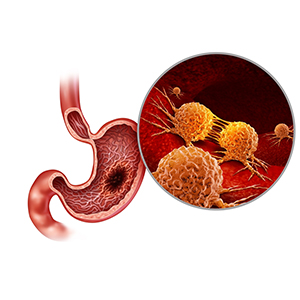
Understanding the anatomical origin and molecular profile of each cancer is critical in determining prognosis and selecting the most effective treatment pathway.
RISK FACTORS AND PREVENTIVE STRATEGIES
The development of GI cancers is influenced by genetic predisposition, environmental exposures, dietary habits, infections, and chronic inflammatory conditions.
Key risk factors include:
- Chronic gastritis, hepatitis, or inflammatory bowel disease
- Diets high in processed foods and low in fiber
- Tobacco use and excessive alcohol consumption
- Obesity and metabolic disorders
- Family history of GI malignancies
Preventive strategies emphasize lifestyle modification, early management of precancerous conditions, vaccination (such as hepatitis B), and participation in screening programs, particularly for colorectal cancer.
EARLY DETECTION AND ADVANCED DIAGNOSTICS
Early detection significantly improves survival and expands treatment options in GI cancers. Modern diagnostic technologies enable accurate localization, staging, and biological characterization of tumors.
Diagnostic approaches include:
- Endoscopic procedures such as gastroscopy and colonoscopy
- Endoscopic ultrasound (EUS) for depth and nodal assessment
- High-resolution CT scans, MRI, and PET-CT imaging
- Image-guided and endoscopic biopsies
- Molecular and genetic tumor profiling
These investigations form the foundation of precision oncology, ensuring that therapy is evidence-based and patient-specific.
PERSONALIZED TREATMENT MODALITIES
Treatment of GI cancers requires a tailored approach based on tumor type, stage, molecular markers, and patient fitness. Therapeutic plans are designed to maximize disease control while preserving organ function and quality of life.
Treatment options may include:
- Surgical oncology: Curative resections and minimally invasive procedures
- Medical oncology: Chemotherapy, targeted therapy, and immunotherapy
- Radiation oncology: Advanced conformal and image-guided techniques
The integration of multimodal therapy often delivers the best outcomes, particularly in locally advanced and high-risk disease.
MULTIDISCIPLINARY EXPERTISE AND COORDINATED CARE
GI cancer management is most effective when delivered through a multidisciplinary framework. Surgeons, medical oncologists, radiation oncologists, gastroenterologists, radiologists, pathologists, dietitians, and supportive care teams collaborate to develop and implement comprehensive care plans. Under the leadership of experienced clinicians such as Dr. Priyadarshini, patients benefit from globally aligned treatment protocols, transparent communication, and personalized clinical decision-making.
SUPPORTIVE CARE AND SYMPTOM MANAGEMENT
Beyond tumor-directed therapy, supportive care plays a vital role in GI cancer services. Digestive cancers often impact nutrition, metabolism, and overall functional status, requiring proactive management.
Supportive services include:
- Nutritional assessment and dietary optimization
- Management of pain, nausea, and bowel disturbances
- Psychological counseling and emotional support
- Palliative care focused on comfort and dignity when indicated
This holistic approach ensures continuity of care throughout the disease trajectory.
SURVIVORSHIP, FOLLOW-UP, AND QUALITY OF LIFE
For patients who achieve remission or long-term disease control, survivorship care emphasizes vigilant follow-up, early detection of recurrence, and management of late treatment effects. Rehabilitation programs, lifestyle guidance, and psychosocial support enable patients to reintegrate into daily life with confidence and resilience.
COMMITMENT TO CLINICAL EXCELLENCE AND INNOVATION
Excellence in GI cancer services is defined by continuous learning, clinical research participation, and the adoption of emerging therapies. Advances in molecular oncology, minimally invasive surgery, and immunotherapeutics continue to expand treatment possibilities. Ethical practice, patient education, and shared decision-making remain central to delivering care that is both scientifically rigorous and deeply human.
CONCLUSION
GI cancers present complex clinical challenges, yet modern oncology offers powerful tools for early detection, precise treatment, and comprehensive support. Through personalized therapy, multidisciplinary collaboration, and a steadfast commitment to patient-centered care, contemporary GI cancer services strive to improve survival while preserving dignity, function, and quality of life at every stage of the journey.