
Endocrine cancers arise from hormone-producing glands that regulate critical physiological functions such as metabolism, growth, reproduction, and stress response. These malignancies are biologically distinct, often slow-growing, and may present with subtle or atypical symptoms related to hormonal imbalance rather than local tumor effects. Effective management therefore requires deep expertise in both oncology and endocrinology, supported by advanced diagnostics and individualized therapeutic strategies.
SPECTRUM AND TYPES OF ENDOCRINE MALIGNANCIES
Endocrine oncology encompasses a broad range of tumors, each with unique molecular behavior, clinical presentation, and treatment implications. Accurate classification is fundamental to optimal care.
Major endocrine cancers include:
- Thyroid cancers (papillary, follicular, medullary, and anaplastic)
- Adrenal cortical carcinoma
- Neuroendocrine tumors (NETs) of the pancreas, gastrointestinal tract, and lung
- Parathyroid carcinoma
- Pituitary tumors with malignant potential
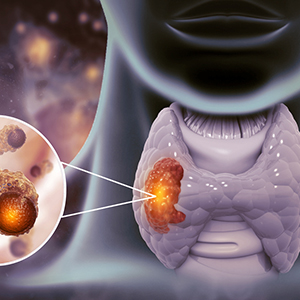
Some endocrine cancers produce excess hormones, leading to systemic symptoms, while others remain clinically silent until advanced stages.
RISK FACTORS AND DISEASE ETIOLOGY
The development of endocrine cancers is influenced by genetic, environmental, and hormonal factors. In certain cases, hereditary syndromes play a decisive role.
Recognized risk factors include:
- Inherited genetic syndromes such as MEN (Multiple Endocrine Neoplasia)
- Prior radiation exposure, particularly to the neck
- Long-standing endocrine disorders
- Family history of endocrine malignancies
- Advancing age, depending on tumor type
Genetic counseling and risk-adapted surveillance are critical for individuals with inherited predisposition.
EARLY DETECTION AND ADVANCED DIAGNOSTIC PATHWAYS
Early detection of endocrine cancers is often challenging due to their indolent nature and nonspecific symptoms. Precision diagnostics are therefore central to timely and accurate diagnosis.
Comprehensive diagnostic evaluation may involve:
- Detailed hormonal and biochemical testing
- High-resolution ultrasound, CT, MRI, and PET-CT imaging
- Functional imaging such as somatostatin receptor scans for NETs
- Fine-needle aspiration or image-guided biopsies
- Histopathological and molecular tumor profiling
These investigations enable precise staging, prognostication, and therapy selection.
PERSONALIZED TREATMENT STRATEGIES
Treatment of endocrine cancers is highly individualized, reflecting tumor biology, hormone activity, disease extent, and patient-specific factors. Therapeutic planning aims to achieve durable disease control while maintaining hormonal balance and quality of life.
Treatment modalities may include:
- Surgical management: Curative resection or debulking by experienced surgical teams
- Systemic therapy: Targeted agents, hormone-modulating therapies, and chemotherapy when indicated
- Radionuclide therapy: Such as radioactive iodine for thyroid cancer or peptide receptor radionuclide therapy (PRRT) for NETs
- Radiation therapy: Selected use for local control or palliation
The integration of molecular oncology allows treatments to be tailored with exceptional precision.
MULTIDISCIPLINARY EXPERTISE AND COORDINATED CARE
Endocrine cancer management demands close collaboration among medical oncologists, endocrinologists, endocrine surgeons, nuclear medicine specialists, radiologists, pathologists, and supportive care teams. Under the clinical guidance of experienced oncologists such as Dr. Priyadarshini, patients benefit from evidence-based protocols, individualized clinical judgment, and transparent, patient-centered communication throughout the care continuum.
SUPPORTIVE CARE AND HORMONAL MANAGEMENT
Beyond tumor control, maintaining endocrine balance is a cornerstone of care. Hormonal excess or deficiency can significantly affect physical and emotional well-being if not proactively addressed.
SUPPORTIVE SERVICES INCLUDE:
- Hormone replacement or suppression therapy
- Management of metabolic, cardiovascular, and bone health complications
- Nutritional counseling and fatigue management
- Psychological support and stress counseling
- Palliative care focused on symptom relief and dignity when required
This holistic approach ensures comprehensive care across all stages of disease.
SURVIVORSHIP AND LONG-TERM FOLLOW-UP
Many endocrine cancers follow a chronic disease trajectory, requiring long-term surveillance and management. Survivorship care emphasizes regular monitoring, hormonal optimization, and early detection of recurrence or progression. Patient education, lifestyle guidance, and psychosocial support empower individuals to maintain independence and quality of life over time.
COMMITMENT TO INNOVATION AND CLINICAL EXCELLENCE
Excellence in endocrine cancer services is defined by continuous engagement with evolving scientific evidence, adoption of advanced imaging and molecular diagnostics, and access to emerging targeted and radionuclide therapies. Ethical practice, shared decision-making, and respect for patient values remain central to delivering care that is both technologically advanced and deeply humane.
CONCLUSION
Endocrine cancers present unique diagnostic and therapeutic challenges that demand precision, patience, and multidisciplinary expertise. Through personalized treatment strategies, integrated supportive care, and long-term follow-up, modern endocrine oncology offers patients not only improved disease control but also sustained well-being, clarity, and confidence throughout their cancer journey.